
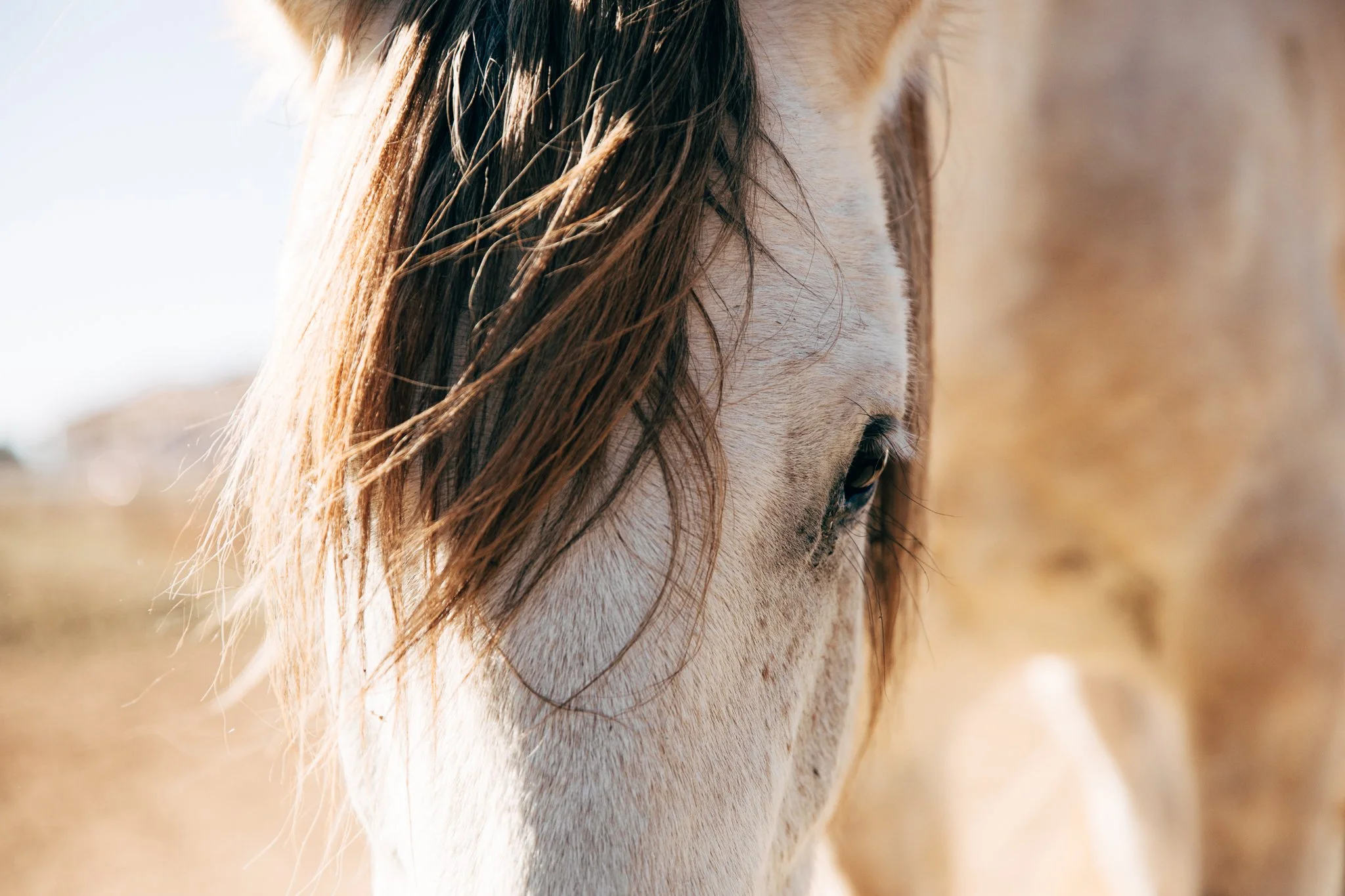
Rescue, Rehab & Second Chances
Rescue is only the beginning of a horse’s journey at EERC. True rehabilitation takes time, patience, and a commitment to understanding each horse as an individual. This section shares the principles and realities behind ethical rescue work—from medical recovery and retraining to the difficult decisions surrounding adoption, placement, and lifelong care. By focusing on thoughtful, horse-centered outcomes rather than timelines or trends, we honor the responsibility that comes with offering second chances.
Rescue Stories & Case Studies
📘The Soul of a Horse: Life Lessons from the Herd by Joe Camp: A moving account of a man’s journey into the world of horses, highlighting the rehabilitation of "problem" horses through natural management and trust.
📘Hope in the Holler by Lisa Wysocky: A collection of stories about rescue horses and the therapeutic bonds they form with the humans who save them.
📘Sgt. Reckless: The Korean War Horse by Robin Hutton: While a historical biography, it serves as a powerful case study in equine resilience and loyalty under extreme trauma.
📘Rescuing Penny Jane by Amy Sutherland: Though it touches on many animals, the themes of patience and behavioral recovery are deeply applicable to the rescue horse experience.
✍️The Willing Equine: Rescue Case Studies: Features detailed documentation on rehabilitating shut-down horses using positive reinforcement and choice-based training.
✍️Horses Inside Out: Clinical Case Studies: Gillian Higgins provides biomechanical breakdowns of horses recovering from muscular atrophy and skeletal issues.
✍️The Humble Hoof: Rehab Stories: A visual blog documenting the transformation of "unusable" hooves through proper trimming, diet, and movement.
✍️[World Horse Welfare: Success Stories](https://www.worldhorse welfare.org/stories): An international gallery of recovery journals, from initial seizure to successful rehoming and second careers.
🎧The Journey On Podcast: Rescue & Redemption: Warwick Schiller often interviews rescue founders and trainers who specialize in "unfixable" horses, focusing on the emotional labor of the restart.
🎧The Humble Hoof: Navicular and Founder Rehab: Features episodes dedicated to the long-term recovery of horses that were initially recommended for euthanasia.
🎧The Whole Horse: Rehabilitation Journeys: Explores holistic case studies where bodywork, nutrition, and environment were used to bring a horse back from the brink.
🎥The Path of the Horse: A documentary film that follows the spiritual and physical healing of horses through non-traditional, empathetic groundwork.
🎥Equitopia: The Rescue Series: A video series that follows specific horses from rescue to restart, highlighting the veterinary and behavioral hurdles along the way.
🎥Wild Horse, Wild Ride: A compelling look at the Extreme Mustang Makeover, showcasing the rapid transition from wild/traumatized to a trusting partner.
🤍 Why EERC Emphasizes This
To truly understand the journey of equine rehabilitation, you can explore these narratives that bridge the gap between heartbreaking neglect and the sophisticated science of recovery.
Rehab Timelines
📘Adams and Stashak’s Lameness in Horses: The industry standard for understanding the physiological healing rates of bone, tendon, and ligament tissues.
📘Biomechanics and Physical Training of the Horse by Jean-Marie Denoix: Offers detailed exercise progressions and timelines for strengthening the musculoskeletal system after injury.
📘55 Corrective Exercises for Horses by Jec Aristotle Ballou: Provides a structured rehab framework that focuses on "pre-habilitation" and the slow rebuild of postural muscles.
📘The Horse’s Muscles in Motion by Sara Wyche: Explains the muscular recovery timeline and how to identify when a horse is physically ready for the next phase of work.
✍️The Horse: Rehabilitation Timelines: A deep archive of articles covering recovery protocols for specific injuries like bowed tendons, suspensory tears, and post-colic surgery.
✍️Mad Barn: Muscle Atrophy and Recovery: A technical look at the nutritional and exercise timeline required to reverse muscle wasting after stall rest.
✍️Equine Performance Innovative Center (EPIC) Blog: Features case-specific timelines using advanced therapies like hyperbaric oxygen and water treadmills.
✍️The Humble Hoof: Laminitis Rehab Guide: A specialized resource for tracking the hoof capsule's growth cycle (usually 8–12 months) during pathological recovery.
🎧The Horse First: The Rehab Journey: Dr. Audrey DeClue discusses the common pitfalls of rushing a rehab timeline and how to listen to the horse’s "no."
🎧Equine Vet Connect: Post-Injury Protocols: Features interviews on the diagnostic milestones (like re-check ultrasounds) that dictate moving from hand-walking to tack-walking.
🎧The Whole Horse: Healing at the Cellular Level: Explores how inflammation cycles affect the speed of recovery and the role of bodywork in the timeline.
🎥Equitopia: The Subtle Lameness & Rehab Series: A visual step-by-step guide that follows real horses through the stages of acute rest, controlled exercise, and return to sport.
🎥Horses Inside Out: Assessing Movement Post-Injury: Gillian Higgins uses painted skeletons to show how gait asymmetries should resolve over a standard 6–12 week rehab block.
🎥SmartPak: Horse Health Recovery Tracking: Provides digital tools and videos for monitoring vital signs and soundness during the "back-to-work" phase.
🤍 Why EERC Emphasizes This
To manage a successful recovery, you must respect the biological timelines of tissue healing. These resources provide the clinical milestones and rehabilitation phases necessary to transition a horse from acute injury back to full athletic function.
From Arena to Trail
📘The Complete Trail Horse by Cherry Hill: The definitive manual for taking an arena-schooled horse and teaching them the essential trail foundation, from crossing water to ground-tying.
📘101 Western Dressage Exercises for Horse & Rider by Jec Aristotle Ballou: These exercises are perfect for functional cross-training, helping arena horses develop the maneuverability and hind-quarter strength needed for technical trails.
📘The Ultimate Guide to Trail Riding by Les Sellnow: Focuses on the transition logistics, including how to adapt your arena tack for long-distance comfort and safety.
📘Build Confidence in Your Horse by Tellington-Jones: Offers specific groundwork "playgrounds" that simulate trail obstacles in the safety of an arena before heading out.
✍️Warwick Schiller: Training for the Real World: Expert articles on how to move past "arena-only" focus and help your horse generalize their training to new, stimulating environments.
✍️The Horse: Preparing for the First Trail Ride: A research-backed guide on the physiological and mental shifts required when moving from flat ground to varying inclines.
✍️Best Horse Practices: From Ring to Trail: Features tips on herd dynamics and how arena horses, often used to solo work, react to group trail rides.
✍️Equitopia: The Versatile Horse: Explores how cross-training on the trail actually improves arena performance by building "proprioception" and mental freshness.
🎧The Trail Wentworth Podcast: Dedicated to the lifestyle shift of moving into trail riding, covering gear, navigation, and building a trail-ready mindset.
🎧The Journey On Podcast: Addressing the Environment: Warwick Schiller discusses how to handle the "spookiness" that often occurs when a horse leaves the comfort of the arena walls.
🎧The Humble Hoof: Traction and Terrain: Discusses how hoof protection needs change when transitioning from arena footing to rocks, mud, and hard-pack trails.
🎥7 Clinics with Buck Brannaman: The sections on responsiveness and steering are non-negotiable for the control needed when riding in open, unpredictable spaces.
🎥The Trail Horse Series (Equitopia): A visual guide to biomechanically sound trail work, showing how to help your horse navigate hills without straining their joints.
🎥Groundwork Mastery for the Trail (Equine Network): Demonstrates how to use arena-based obstacles to prepare your horse’s mind for the real-world challenges of the trail.
🤍 Why EERC Emphasizes This
Transitioning a horse from the controlled environment of an arena to the unpredictable nature of the trail requires "re-programming" their balance for uneven terrain and shifting their focus from a "closed" to an "open" environment.
Ethical Rescue & Rehoming
📘Unwanted: The Causes and Effects of America’s Horse Population Crisis by Christina Keim: A 2025 release that investigates the economic and cultural forces behind the horse crisis and explores ethical second-chance solutions.
📘The Ultimate Guide for Horses in Need by Dr. Stacie Boswell: A pragmatic professional resource covering the "good, bad, and ugly" of operating a successful and ethical equine rescue.
📘How to Start and Run a Rescue by Jennifer Williams: A foundational guide on building a sustainable, networked organization to help horses in transition.
📘Horses That Save Lives by Cheryl Reed-Dudley: Showcases 25 true stories of the profound reciprocal healing between rescued horses and their humans.
The Homes for Horses Coalition: A national network providing a comprehensive resource library and advancing high professional standards for equine rescue and retirement.
💻United Horse Coalition (UHC): Offers an extensive Equine Resource Database to help owners find "safety net" programs and responsibly rehome horses.
💻ASPCA Right Horse: A massive initiative focused on shattering the stigma of "horses in transition" and facilitating adoptions through its My Right Horse platform.
💻GFA Standards for Equine Rescues: The Global Federation of Animal Sanctuaries provides the rigorous accreditation criteria often cited as the gold standard for ethical sanctuaries.
Matt's Blog: Horses Need Everyone's Help to Find New Homes (ASPCA): Matt Bershadker discusses the critical need to increase societal response to equine welfare and the importance of adoption as a first choice.
✍️Vet Ethics 2025: The Crisis of Unwanted Horses (Ask A Vet): A contemporary look at the ethical dilemmas facing veterinarians and rescues regarding slaughter, overbreeding, and the search for sustainable, humane solutions.
✍️Struggling to Care for Your Horse? Maryland Rescue Is Providing Help (Horse Network): Highlights "safety net" programs like the Owner to Owner (O2O) initiative, which provides ethical alternatives for owners facing financial hardship.
✍️Hanaeleh Horse Rescue and Advocacy Blog: Regularly updated with stories of specific rescues and advocacy for legislative changes to protect horses from the slaughter pipeline.
✍️Is It Time to Rehome? (Colorado Horse Rescue): A thoughtful guide for owners that provides ethical criteria and self-assessment questions to determine if rehoming is the best choice for the horse's welfare.
✍️24 Questions to Keep in Mind if You Need to Rehome Your Horse (United Horse Coalition): An essential article for ensuring a transparent and responsible transition for a horse moving into its next chapter.
✍️Adopting or Placing: A Guide to Choosing a Good Equine Rescue (The Northwest Horse Source): Provides a checklist of what to look for in a reputable rescue organization, emphasizing the importance of transparency and professionalism
🎧Horse Plus Podcast: Hosted by Horse Plus Humane Society, featuring episodes on everything from slaughterhouse inspections to the daily realities of shelter medicine.
🎧Horse Rescue Heroes A documentary-style series following rescue teams through the challenges of auctions, seizures, and successful adoption events.
🎧Equus Foundation Safe Landings: A resource-heavy platform dedicated to protecting horse dignity throughout their lives.
🎥 Horse Healing: A 2025 film exploring the restorative power of the horse-human bond in the context of rescue and recovery.
🎥From Neglect to Hope: A short film documenting the real-time transformation and rehoming of neglected equines.
🤍 Why EERC Emphasizes This
To practice ethical rescue and rehoming, one must navigate the complexities of the "slaughter pipeline," address the "unwanted horse" crisis, and adhere to professional standards that ensure a horse never falls back into neglect.
What Makes A Good Second Career
📘 Second-Chance Horses by Blood-Horse Publications: A collection of true stories showcasing ex-racehorses in roles ranging from mounted police work to Olympic-level competition.
📘Beloved Horses in Second Careers by Sharon Miner: An illustrated collection of stories about horses that successfully transitioned across multiple disciplines.
📘Selection & Assessment of the Lesson Horse: A 2025 guide for professionals on how to assess and select horses for equine-assisted services and lesson programs, focusing on safety and long-term welfare.
📘What Horses Do After Racing: The Story of Good Carma: A 2026 release for younger readers that illustrates the diverse future possibilities for retired racehorses.
✍️Career Changes for Older Horses (Equus Magazine): Discusses the mental shift required for older horses and how to watch for stress-related "warning signs" during the first few weeks of a new career.
✍️From Stakes Races to Second Careers (Retired Racehorse Project) Explores how high-caliber horses can serve as "ambassadors" in their second lives.
✍️Tips to Help OTTBs Shine (Pony Club): Provides advice on groundwork and mental transitions, specifically how to teach horses accustomed to "go" to be comfortable "waiting".
✍️Retraining OTTBs: Top 10 Tips (Mad Barn): Breaks down the differences between track life and boarding/show life, such as introducing mounting blocks and cross-tying.
🎧The Tack Room: Perspectives on Equine Law, Business and Policy: A 2026 podcast series that discusses the broader equine industry landscape, including policy and business perspectives for horse-related careers.
🎧Equestrian Author Spotlight: Explores the rise of equine fiction and the diverse ways humans build second "gig economy" careers around their passion for horses.
🎥Thoroughbred Aftercare Alliance (TAA) Educational Videos: Visual resources explaining the "aftercare" mission and how Thoroughbreds excel in eventing, dressage, and trail riding.
🎥Thoroughbred Makeover Diary: A video/blog series documenting the real-time journey of horses being retrained for new disciplines
🤍 Why EERC Emphasizes This
Transitioning a horse to a second career involves matching their physical capabilities and temperament to a new discipline. While Off-the-Track Thoroughbreds (OTTBs) are the most common subjects, these resources apply to any horse moving from a specialized role (like racing or high-level sport) to a new purpose.