
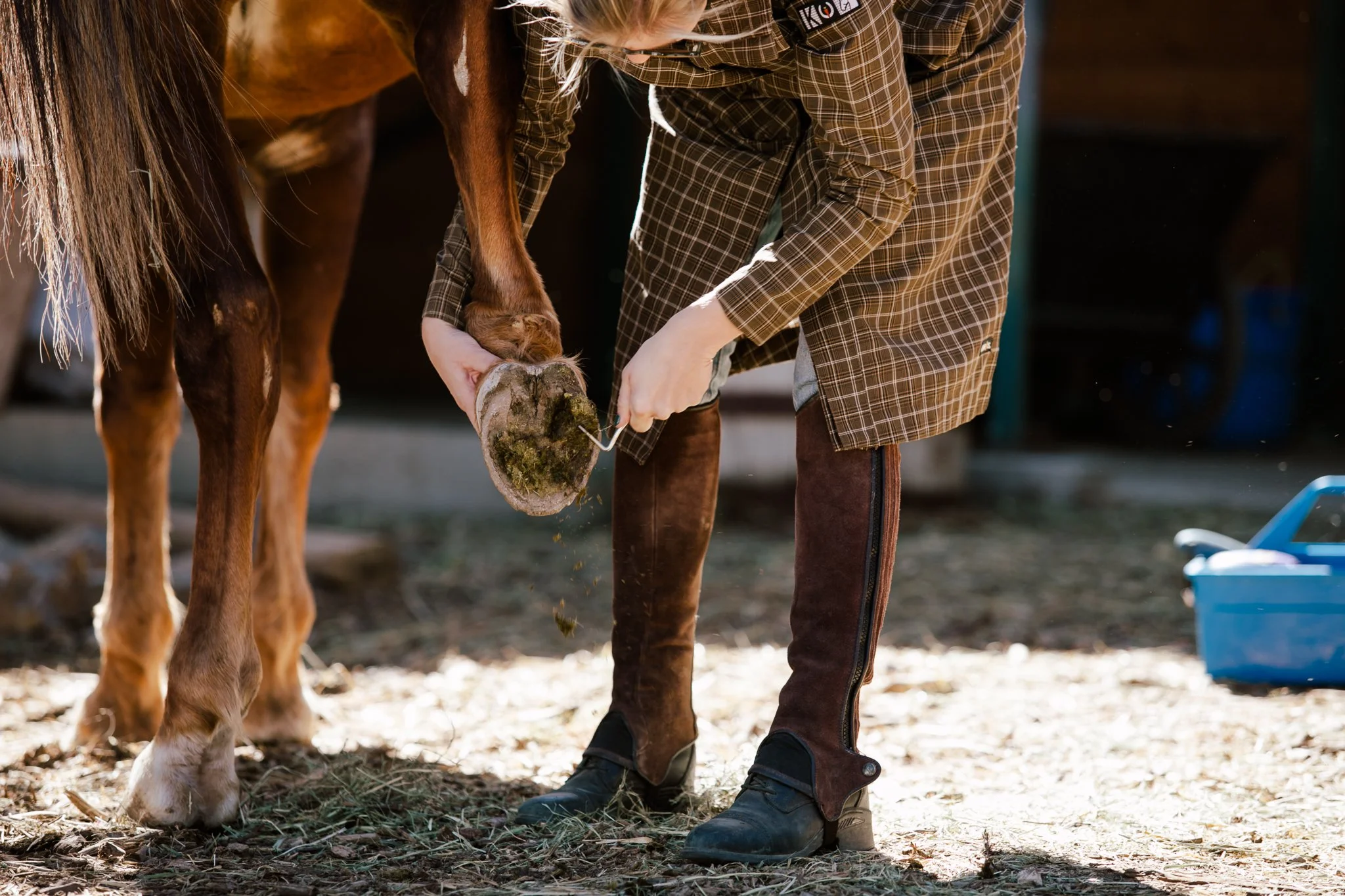
Care, Management & Lifestyle
At EERC, care extends beyond basic needs—it shapes a horse’s physical health, mental stability, and quality of life. Daily management choices such as nutrition, turnout, environment, and routine play a critical role in long-term wellness, particularly for horses transitioning from high-pressure careers or neglectful situations. This section highlights practical, thoughtful approaches to care that support both recovery and sustainability. When horses feel secure in their daily lives, they are better able to learn, adapt, and thrive in their next chapter.
Feeding & Nutrition
📘Feed Your Horse Like a Horse by Dr. Juliet Getty: A comprehensive guide emphasizing forage-first diets and how to use supplements to manage metabolic issues like insulin resistance.
📘Nutrient Requirements of Horses (NRC): The definitive scientific text for calculating exact mineral and vitamin needs based on workload and life stage.
📘The Horse Nutrition Handbook by Melyni Worth: Provides practical advice on evaluating hay quality and understanding how supplements interact with the equine digestive tract.
✍️Mad Barn Academy: Equine Nutrition Blog: Deep dives into the science of joint supplements, electrolytes, and the critical importance of a balanced copper/zinc ratio
✍️Kentucky Equine Research: Equinews: Features research-backed articles on forage analysis, digestive health supplements, and the benefits of Omega-3 fatty acids.
✍️The Horse: Nutrition Category: Offers expert advice on hay testing, pasture management, and identifying when a horse actually needs a supplement versus a ration balancer.
✍️Forage First (ADM Animal Nutrition): Focuses on maximizing forage utilization and choosing supplements that complement, rather than duplicate, natural nutrients.
🎧Feed Room Chemistry: Hosted by Dr. Jyme Nichols, this podcast breaks down the "why" behind specific supplements and how to avoid over-supplementing.
🎧The Feed Room (KER): Features scientists discussing the latest breakthroughs in nutraceuticals and forage-based performance diets.
🎧Straight from the Horse's Mouth: Expert veterinary perspective on the link between nutrition and clinical health issues like gastric ulcers.
🎥The Digestive System (Equitopia): A visual exploration of the equine gut that explains why constant forage access is a physiological necessity.
🎥 Feed Room Chemistry: Video Series: Short visual lessons on reading feed tags and understanding supplement labels.
🤍 Why EERC Emphasizes This
To optimize your horse's diet, you must balance raw forage requirements with precise supplementation to fill regional mineral gaps and support specific health goals.
Turnout & Environment
📘Paddock Paradise: A Guide to Natural Horse Boarding by Jaime Jackson: The foundational text for the "track system" concept, designed to mimic the movement patterns of wild horses to improve hoof health and metabolic function.
📘Horse Keeping on a Small Acreage by Cherry Hill: A practical guide to pasture management, fencing, and creating a layout that maximizes space while maintaining soil health.
📘The Equine Tapestry by Lesli Kathman: While focused on genetics, it explores how environmental factors influence physical development and the horse's interaction with their surroundings.
📘Equine Behavior: A Guide for Veterinarians and Equine Scientists by Paul McGreevy: Includes critical data on the psychological impact of stabling versus 24/7 turnout and social interaction.
✍️The Functional Horse: Environment Category: Features articles on enrichment ideas, slow feeders, and how the physical environment impacts a horse's posture.
✍️Healthy Land, Healthy Horses: A blog dedicated to sustainable land management, mud control, and creating eco-friendly turnout spaces.
✍️Paddock Paradise Official Site: Offers a library of case studies on habitat design and the benefits of varied terrain for barefoot horses.
✍️The Horse: Farm Management: Provides technical advice on toxic plants, manure management, and safe fencing materials.
🎧Stall and Stable: Hosted by Helena Harris, this podcast is entirely dedicated to barn and pasture design, focusing on efficiency and equine wellness.
🎧The Humble Hoof: Environment and Hooves: Frequent episodes discuss how turnout terrain (sand, gravel, pea stone) directly influences the strength of the equine foot.
🎧The Whole Horse Podcast: Often features experts on equine ethology who discuss how social dynamics in the field affect a horse's nervous system.
🎥Equitopia: Environment & Management Series: Visual guides on creating enrichment in the paddock and the biomechanical benefits of varied footing.
🎥The 3 F's: Freedom, Forage, and Friends: A documentary-style educational series by World Horse Welfare explaining the minimum standards for a healthy equine life.
🤍 Why EERC Emphasizes This
To optimize a horse's health, you must consider the "Three Fs"— Friends, Forage, and Freedom. These resources focus on creating "track systems" and species-appropriate habitats that encourage natural movement and mental stimulation.
Senior Horse Care
📘The Complete Guide to the Senior Horse by Dr. Karen Coumbe: A veterinary-led manual covering the aging process, from identifying early-stage Cushing's (PPID) to managing chronic stiffness.
📘101 Exercises for the Senior Horse by Cherry Hill: Provides low-impact groundwork and mounted patterns specifically designed to keep older horses supple without overtaxing their joints.
📘Feed Your Horse Like a Horse: Senior Section by Dr. Juliet Getty: Offers critical advice on digestive efficiency in seniors and how to supplement for weight maintenance when teeth begin to fail.
📘Essential Equine Senior Care by Sue M. Copeland: A practical guide for owners on blanketing, grooming, and enrichment tailored to the needs of the retired or semi-retired horse.
✍️The Horse: Senior Horse Category: A massive archive of research-backed articles on PPID, insulin dysregulation, and cardiac health in aging equines.
✍️Mad Barn: Feeding the Senior Horse: A deep dive into the protein requirements and amino acid profiles needed to prevent "muscle wasting" in older horses.
✍️Kentucky Equine Research: Aging & Nutrition: Features technical papers on joint support, bone density, and the efficacy of senior-specific pelleted feeds.
✍️The Humble Hoof: Senior Hoof Care: Discusses the challenges of trimming horses with arthritis and how to manage "long-toe, low-heel" syndromes common in older horses with suspensory issues.
🎧Feed Room Chemistry: Senior Nutrition: Breaks down the nutritional myths of senior feeds and when to switch to "mash" diets.
🎧The Horse First: Managing the Older Athlete: Dr. Audrey DeClue discusses how to identify compensatory pain in seniors and keeping them comfortable in light work.
🎧Stall and Stable: Senior Horse Management: Features interviews on facility modifications (like easier water access and non-slip surfaces) for aging horses.
🎧Equine Vet Connect: PPID and EMS: Focuses on the hormonal health of seniors and the latest veterinary protocols for managing metabolic disease.
🎥The Aging Horse (Equitopia): A visual guide to assessing muscle loss and creating a specialized rehabilitation plan for the older horse.
🎥Senior Horse Body Condition Scoring: A Purina-sponsored video tool that helps owners distinguish between fat cover and muscle loss, which can be tricky in older horses.
🤍 Why EERC Emphasizes This
Caring for the "golden" horse requires a shift from performance to preservation, focusing on dental efficiency, metabolic support, and low-impact movement to maintain muscle mass and joint comfort.
Seasonal & Climate Care
📘Horsekeeping on a Small Acreage by Cherry Hill: Provides essential strategies for winter mud management, summer shade solutions, and protecting pastures from seasonal overgrazing.
📘The Complete Guide to the Senior Horse by Dr. Karen Coumbe: Includes critical chapters on thermoregulation, explaining why older horses struggle more with seasonal transitions and how to blanket appropriately.
📘Equine Clinical Nutrition by Lon Lewis: Offers the scientific basis for adjusting calories in winter (the "thermoneutral zone") and managing hydration/electrolytes in summer heat.
✍️The Horse: Seasonal Care Category: A vast library of articles covering everything from anhidrosis (non-sweating) in summer to preventing impaction colic during winter freezes.
✍️Mad Barn: Winter Feeding Guide: A technical breakdown of how horses use forage fermentation to generate internal heat and how to adjust rations for cold snaps.
✍️Healthy Land, Healthy Horses: Mud Control: Expert advice on using geotextiles and gravel to eliminate the seasonal "mud season" that leads to thrush and scratches.
✍️University of Minnesota Extension: Seasonal Management: Research-backed guides on pasture transition (spring grass safety) and winter water requirements.
🎧Feed Room Chemistry: Summer & Winter Electrolytes: Dr. Jyme Nichols explains the salt and mineral requirements that fluctuate with sweat loss and winter dehydration.
🎧Stall and Stable: Preparing for Winter: Focuses on facility preparation, including heated waterers, ventilation in closed barns, and protecting hay storage.
🎧The Humble Hoof: Seasonal Hoof Changes: Discusses how wet/dry cycles impact hoof expansion, wall quality, and the prevalence of abscesses.
🎥Equine Thermoregulation (Equitopia): A visual series explaining how horses naturally regulate temperature and the common mistakes humans make with over-blanketing.
🎥The SmartPak Blanketing Guide: An interactive tool and video series that helps owners choose the right weight and fill based on local temperature and the horse's coat status.
🤍 Why EERC Emphasizes This
To keep your horse comfortable year-round, you must adapt your management to the physiological stressors of extreme temperatures, insects, and changing forage quality.
Travel & Trail Readiness
📘The Complete Trail Horse by Cherry Hill: A foundational guide for developing the skills required for travel, including trailer loading, hobbling, and navigating obstacles calmly.
📘The Ultimate Guide to Trail Riding by Les Sellnow: Focuses on the logistical preparations for travel, including choosing gear, route planning, and overnight camping safety.
📘Equine Travel Guide by Dr. Karen Coumbe: A veterinary-focused look at travel health, covering hydration, respiratory protection during transport, and first-aid kits.
✍️Trail Riding Tales (The Horse): Features practical articles on travel stress, electrolyte management during hauls, and preventing "shipping fever."
✍️US Rider: Travel Safety Blog: The premier resource for trailer maintenance, hitch safety, and emergency roadside protocols for horse owners.
✍️American Endurance Ride Conference (AERC): Education: Offers technical papers on conditioning horses for long-distance travel and the metabolic requirements of trail performance.
✍️EasyCare Inc: Trail Protection: Provides expert advice on hoof protection for travel, specifically focusing on boots and studs for varied terrain.
🎧The Trail Wentworth Podcast: Dedicated to the adventure of horse travel, featuring gear reviews and interviews with riders who trek across countries.
🎧Stall and Stable: Traveling with Horses: Discusses the environmental shifts horses face when moving between barns or showgrounds and how to minimize relocation stress.
🎧The Humble Hoof: Boots for the Trail: Frequent episodes on why hoof boots are an essential "spare tire" for trail riders and how to fit them for long-distance travel.
🎥Trailer Loading with Confidence (Warwick Schiller): A video masterclass on resolving loading issues through psychology, ensuring the start of every trip is stress-free.
🎥Safe Trailering (Equitopia): A visual guide to trailer safety checks, weight distribution, and how transport affects a horse’s heart rate and cortisol levels.
🎥The Trail Horse Series (Equine Network Training): Demonstrates how to prepare a horse for the trail using groundwork and mounted desensitization.
🤍 Why EERC Emphasizes This
Preparing for travel and the trail requires a balance of logistical precision and physical conditioning. These resources cover everything from trailer safety and "road-proofing" to the specialized fitness needed for technical terrain.